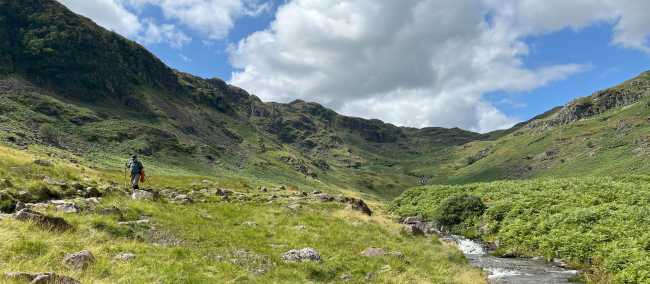
The hiking trails in the UK may be different from what you know at home
From rugged fells to quaint countryside, the UK offers some of the most diverse and rewarding walking routes in Europe. But if you’re thinking of heading out on a classic British hike, you might be wondering: what’s it actually like out on the trail?
Here’s a down-to-earth look at what to expect when walking in the UK, from the terrain underfoot to where you’ll lay your head.
Trail Surfaces: From Grass to Gravel (and Mud)
One of the joys of walking in the UK is the variety. Trails might wind through pastureland, skirt coastal cliffs, cross moors or duck into ancient woodland. Surfaces change often - you’ll walk on compacted paths, flagstones, wooden boardwalks, bridleways and the occasional boggy patch.
In England, National Trails like the South Downs Way or Coast to Coast are generally well-maintained with clear paths, though you will encounter uneven sections, loose stones or livestock crossings. In Scotland and Wales, expect a more rugged feel underfoot - with some rockier, remote and less manicured trails.
Top tip: Bring sturdy walking shoes with good tread and ankle support. Gaiters can be useful in wetter areas.
Signage and Waymarking: Mostly Good, Sometimes Quirky
Waymarking across the UK varies by region and trail status. Long-distance trails that fall under the National Trails network are generally well-marked with clear acorn symbols and fingerposts. These include classics like:
Elsewhere, rights of way are marked by coloured arrows (yellow for footpaths, blue for bridleways), but signage can occasionally be faded, missing or creatively interpreted by local farmers. In the Lake District or Yorkshire Dales, a map and compass – besides our navigational app - is a wise addition.
Good to know: On our self-guided trips, we provide detailed route notes, access to our all-encompassing navigational app and emergency support – so even if the signs disappear, you won’t.
Accommodation Off the Trail: Cosy, Local, Characterful
One of the things travellers love about walking in the UK is the quality and personality of the accommodation. You’ll usually stay in charming family-run B&Bs, guesthouses or small inns, often with creaky staircases, roaring fires and a warm welcome. Many are steeped in local history or converted from traditional buildings like coaching inns or farmhouses.
Most walkers’ accommodation includes a hearty breakfast, a drying room for wet gear, and the option to buy a packed lunch. Evening meals are usually available nearby, think cosy pubs with local ales and comforting classics like pie & mash.
“Walkers welcome” is more than a saying here, it’s a badge of pride.
The Weather: Changeable, But Manageable
British weather has a reputation, and yes, it can shift quickly. But walking in the UK is a year-round activity for a reason. Spring and autumn are particularly beautiful with blooming wildflowers or golden leaves. Summer brings long daylight hours (14-19°C or 58-66°F in most regions), while early autumn often offers the clearest skies.
Be prepared for drizzle or wind with a waterproof jacket and layering system. But don’t be surprised if you’re walking in sunshine and birdsong one minute, and watching mist roll across the hills the next.
Final Thoughts: The UK on Foot is the UK at Its Best
There’s something timeless about walking in Britain. You pass through working farms, ancient hedgerows, Roman roads, and hidden villages with a real sense of continuity and place. Whether you’re hiking along cliffs or over hills, you’re stepping into a deep tradition of exploring landscapes on foot.
You don’t need to be a hardcore hiker, just reasonably fit, up for the weather, and willing to slow down. And with the right support in place, from maps to luggage transfers, you can enjoy the freedom of the trail with none of the faff.